Quick answer: Five sites, and only two of them are really about history. Sensoji and the Imperial Palace gardens are the traditional ones. Skytree and Shibuya Crossing are here because visitors always ask. All five are free or nearly free to look at, and all are reachable by train without any kind of pass. Start with Sensoji early, before the shopping street fills up.
See the Asakusa kimono tea ceremony on Viator →
Tokyo beautifully balances ancient traditions with cutting-edge modernity. This guide highlights 5 essential historical experiences that capture Japan's cultural heritage, from Tokyo's oldest temple to the Imperial Palace grounds. Each recommendation comes with insider tips from an 18-year Tokyo resident to help you avoid crowds and discover hidden aspects that most tourists miss. This is Part 1 of our complete Tokyo guide. Explore all categories here:
-

-
25 Must-Do Experiences in Tokyo — A Local's Ultimate Guide
2026/9/13
Quick answer: Twenty-five is far more than anyone fits into one trip, so treat this as a menu rather than a checklist. The five sections split by interest (tradition, food, pop culture, nature, day trips), and each links to a fuller page. Pick two or three things per day at most. Tokyo punishes over-scheduling more than it punishes missing things. See what the Greater Tokyo pass covers on Klook → Planning a trip to Tokyo? With countless attractions to choose from, finding truly worthwhile experiences can be overwhelming. This curated guide reveals 25 authentic Tokyo experiences endorsed by locals, organized ...
Sumo is the other tradition visitors ask about, and it is the one that depends on your dates. Tokyo holds a real grand tournament in January, May and September only. I compared it with the year-round shows in this guide.
🏯 Tradition & History
1. Sensoji Temple & Nakamise Shopping Street
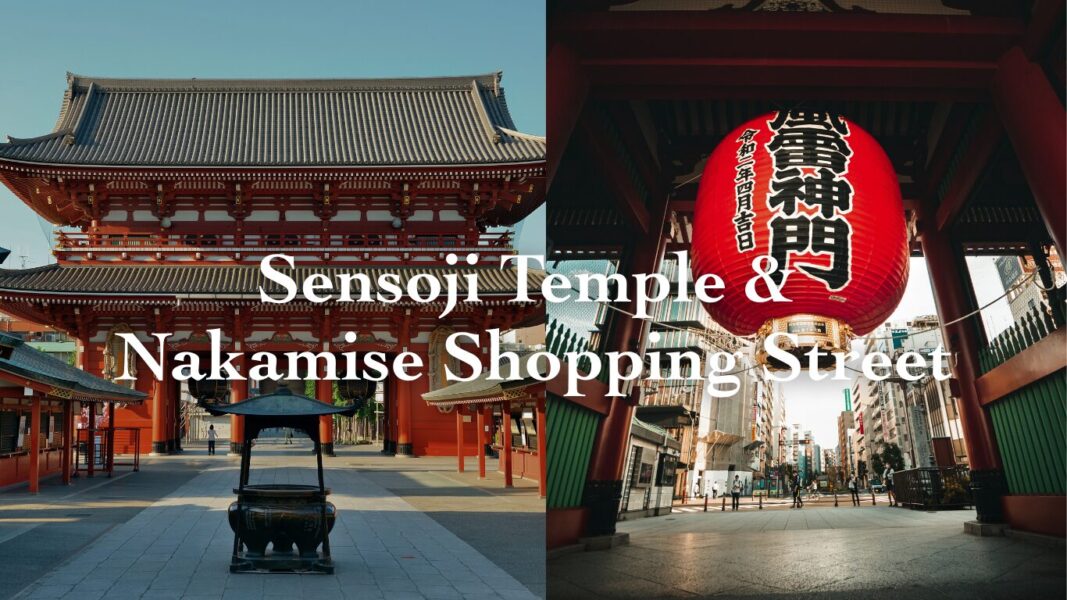
Why Go: Tokyo's oldest temple + street food and souvenir paradise.
Nearest Station: Asakusa Station (Ginza/Asakusa Line), 2-min walk
Time Needed: 1.5 hours
Local Tip: Arrive at 8 AM to photograph Kaminarimon Gate without crowds.
Want to do something in Asakusa, not just look at it? Sensoji itself is free and takes about an hour, which leaves a lot of people with an afternoon in Asakusa and no plan for it. The kimono-and-tea-ceremony sessions in the same district fill that gap — about ninety minutes, and you book ahead rather than walk in. Be clear about what it is, though: this is an introduction run for visitors, not a formal school ceremony. And if all you actually want is a bowl of matcha and a sweet, the cafes around the temple sell exactly that for a fraction of the price. See the Asakusa kimono tea ceremony on Viator →
2. Tokyo Skytree Observation Deck
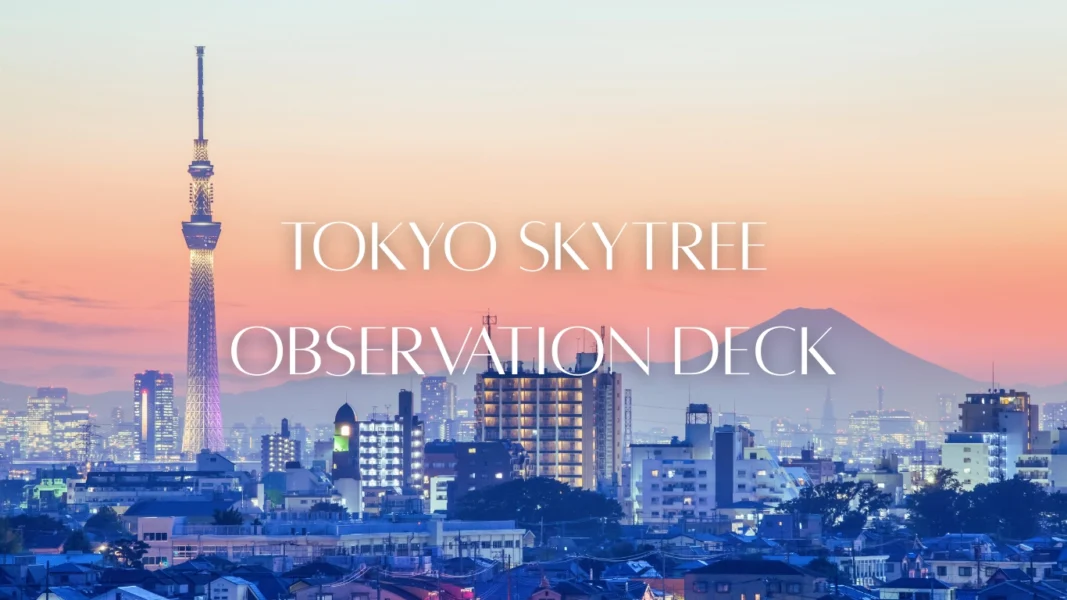
Why Go: Breathtaking views of Mt. Fuji from 634m height.
Nearest Station: Oshiage (Skytree) Station
Time Needed: 1.5 hours
Local Tip: Skip lines by purchasing tickets online in advance.
3. Shibuya Scramble Crossing & SHIBUYA SKY

Why Go: Experience the world's busiest intersection and rooftop observatory.
Nearest Station: Shibuya Station
Time Needed: 1 hour
Local Tip: Golden hour (around 5 PM) offers the best photo opportunities.
4. Meiji Shrine & Yoyogi Park
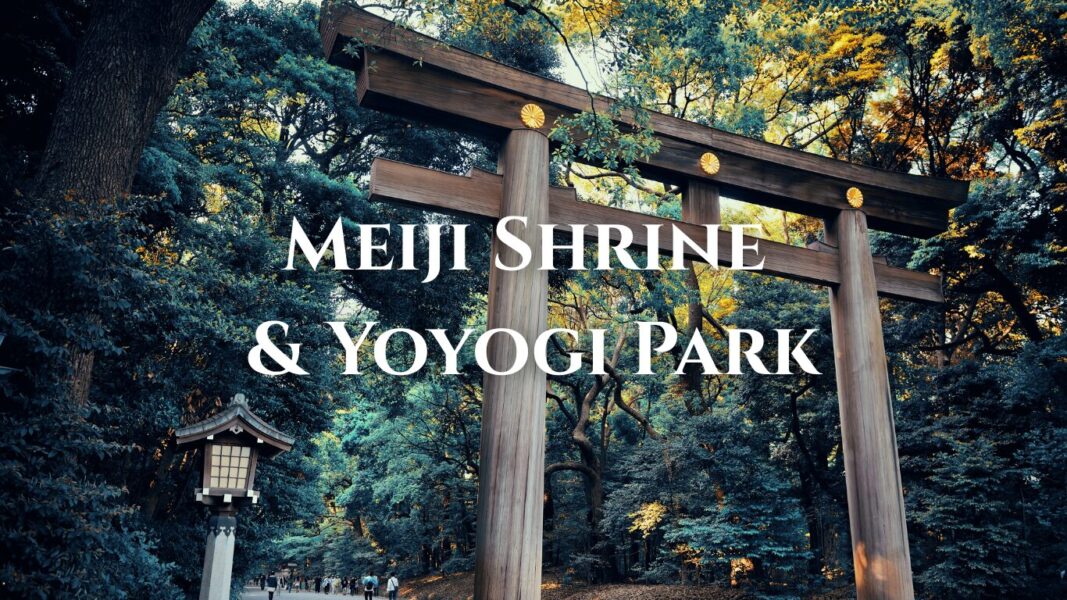
Why Go: Urban forest and spiritual power spot in one visit.
Nearest Station: Harajuku Station/Meiji-Jingumae Station
Time Needed: 1.5 hours
Local Tip: Sunday mornings feature flea markets and taiko drum performances in the park.
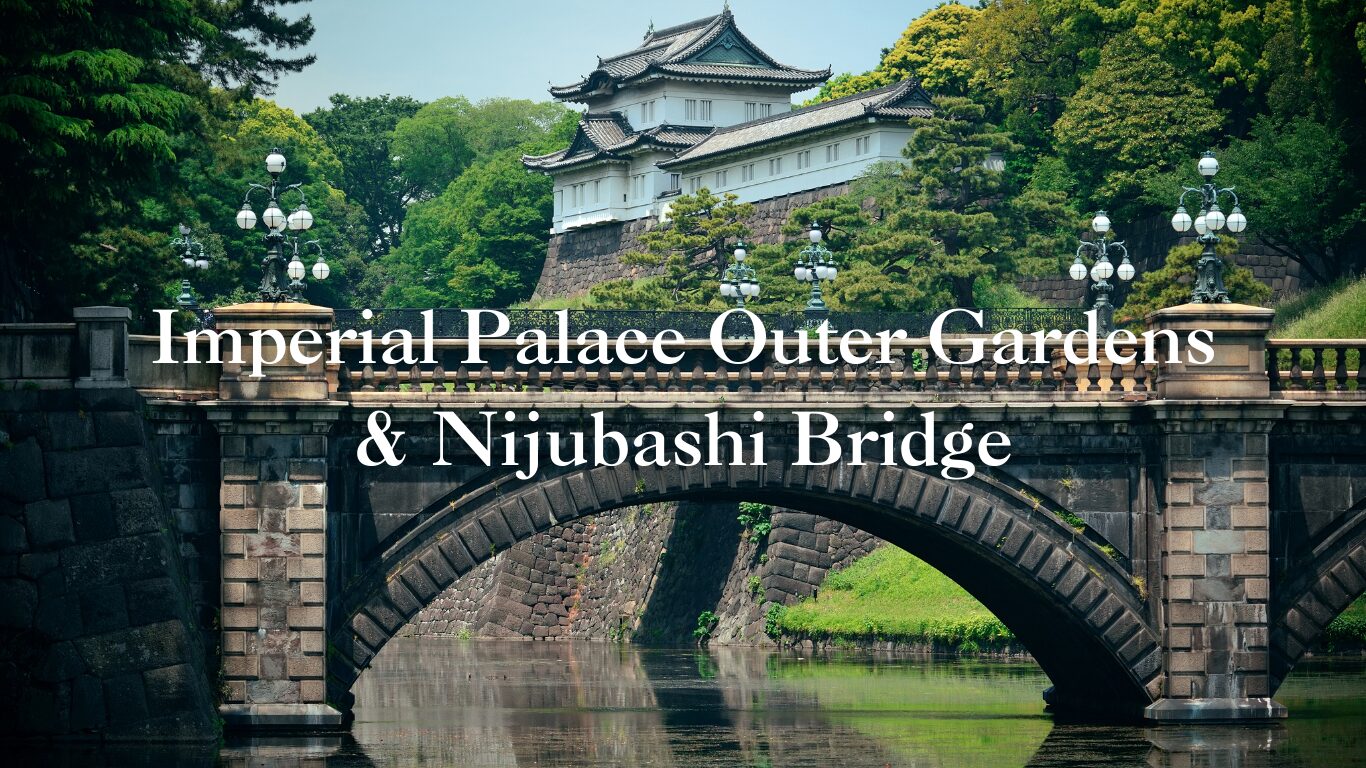
5. Imperial Palace Outer Gardens & Nijubashi Bridge
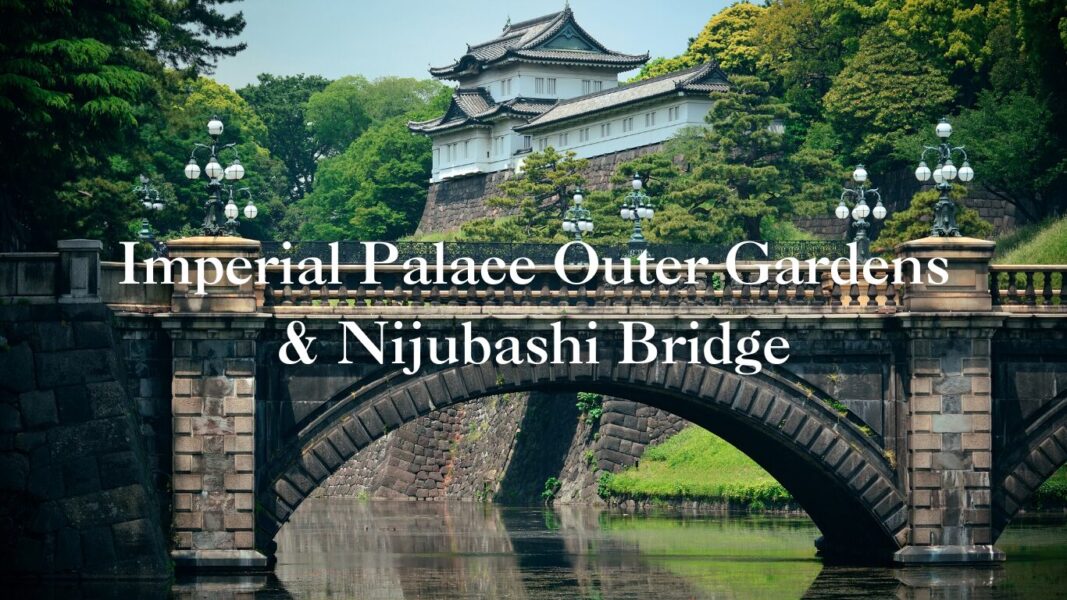
Why Go: Free exploration of former Edo Castle grounds and beautiful stone bridge.
Nearest Station: Otemachi Station/Tokyo Station
Time Needed: 1 hour
Local Tip: Free guided tours starting at 10 AM require reservation one day in advance.