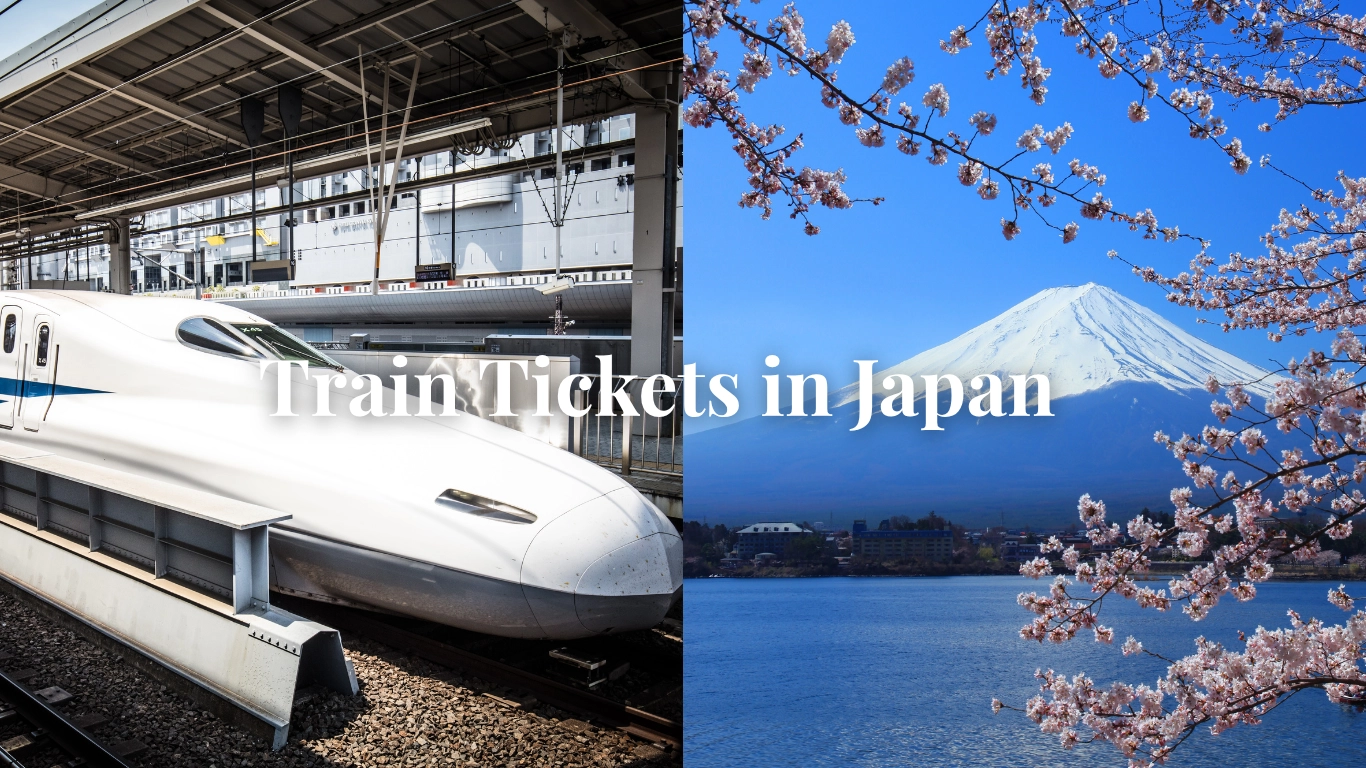
Quick answer: Most visitors never need to pre-book train tickets. For local trains you tap in with a Suica or Pasmo and buy no ticket at all. For the Shinkansen, every JR ticket machine has an English button, and reserved seats are usually available on the day outside peak periods. Booking through an agency adds a convenience fee, and is worth it mainly for cherry-blossom season, Golden Week and Obon, when specific trains genuinely do sell out.
🚅 Skip the ticket machine entirely: for local trains and most city journeys you do not buy a ticket at all. You tap in and out with an IC card. See Suica IC cards on Klook →
Picture this nightmare scenario...
You're standing in Tokyo Station at rush hour. Hundreds of people are pushing past you. You're staring at a ticket machine covered in Japanese characters, your train leaves in 20 minutes, and you have no idea what you're doing.
Sound familiar? You're not alone.
Japan's railway system is efficient, but buying tickets can be a total nightmare for foreign travelers. Language barriers, confusing machines, sold-out seats, and the constant fear of missing your connection can turn your dream vacation into a stress-fest.
But here's the good news: There's a simple way to avoid this entire headache.
The Smart Traveler's Secret: Book Before You Go

Booking services let you buy train tickets online, in English, before you even set foot in Japan. No machines. No language barriers. No stress.
Here's how it works: Choose your route, pay online, and pick up your tickets at your hotel or airport. That's it. You'll breeze past confused tourists still wrestling with ticket machines.
Who Should Use This Service?
- First-time Japan visitors who don't want to waste vacation time figuring out tickets
- Multi-city travelers (Tokyo → Kyoto → Osaka → Hiroshima, etc.)
- Peak season visitors who need guaranteed seats (cherry blossom season, Golden Week)
- Anyone who values their time and sanity over saving a few dollars
Booking Ahead vs Buying at the Station
💡 Pro tip: Most tourists don't know about this service, so while they're stuck in ticket lines, you'll already be on your train with a guaranteed seat.
| What You Get | Booking online ahead | Station Ticket Machines | JR Official Site |
|---|---|---|---|
| English Support | ✅ Perfect English | ⚠️ Basic English only | ❌ Confusing interface |
| Book in Advance | ✅ Up to 1 month ahead | ❌ Same-day only | ✅ Yes (complex process) |
| Payment Options | ✅ Card, PayPal, etc. | ❌ Mostly cash required | ⚠️ Credit card only |
| Guaranteed Seats | ✅ Reserved seats | ❌ Risk of sold out trains | ⚠️ If available |
| Convenient Pickup | ✅ Hotel or airport | ❌ Must buy at station | ⚠️ Selected stations only |
Your Most Important Questions, Answered
Q: Is this more expensive than buying at the station?
A: You pay a small convenience fee (usually $5-15 per ticket), but you save hours of stress and guarantee your seat. Most travelers say it's the best money they spent in Japan.
Q: Where exactly can I pick up my tickets?
A: Major airports (Narita, Haneda, Kansai), your hotel, or select JR stations. Choose what's most convenient for your itinerary.
Q: What if my plans change?
A: Many tickets offer flexible cancellation policies. Check the specific terms when booking, as some allow free changes up to 24 hours before departure.
Q: Do I need a JR Pass?
A: Not necessarily! For 1-2 train journeys, individual tickets can be cheaper. Use their calculator to compare costs for your specific route.
Don't Let Ticket Stress Ruin Your Japan Adventure
You're planning the trip of a lifetime to Japan. Don't let something as simple as train tickets become a source of anxiety and wasted vacation time.
The choice is yours:
- Spend your first day in Japan confused and stressed at ticket machines
- Risk missing trains or getting stuck without seats
- OR... arrive with everything sorted and start enjoying Japan immediately
🎌 Ready to travel stress-free?
Join thousands of smart travelers who've already discovered this secret.
🚅 Reserve Your Train Tickets Now
Secure booking • English support • Instant confirmation