Quick answer: Start with shoyu. It is the baseline the other styles are measured against, and you will understand them better for having had it first. Then miso if the weather is cold, shio if you want to taste the broth rather than the seasoning, and tonkotsu if you want the heavy one. You do not need to memorise this page. Just remember shoyu first.
Zero-to-Hero Guide: Find Your Perfect Bowl
Are you traveling to Japan and eager to try ramen, but overwhelmed by the endless variety? Standing in front of a vending machine or staring at an all-Japanese menu, feeling completely lost? We've all been there. By the time you finish reading this guide, you'll confidently choose the perfect bowl for your taste every single time.
Drawing from over 20 years of ramen-eating experience, I'll share my fail-proof formula for selecting ramen that beginners can use immediately. This guide transforms confusion into confidence. Never again will you hesitate at a ramen shop - you'll quickly discover your "destined bowl" faster than anyone else.
Table of Contents
- Shoyu Ramen ─ Tokyo Classic
- Shio Ramen ─ Clear Broth Original
- Miso Ramen ─ Hokkaido's Rich Creation
- Tonkotsu Ramen ─ Hakata's Milky White Soup
- Tori Paitan ─ Creamy Chicken Richness
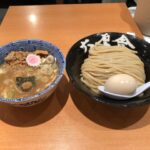
- Tsukemen ─ "Dip-Style" New Standard
- Abura Soba/Maze Soba ─ Soup-less Revolution
- Tantanmen ─ Sesame×Chili×Sichuan Pepper Trinity
- Jiro-kei ─ Guilty Volume Monster
- Iekei Ramen ─ Yokohama's Tonkotsu-Shoyu Fusion
- Vegan Ramen ─ Next-Gen Healthy
-
-
Top 10 Ramen Shops in Tokyo That Foreigners Love
2026/9/8 ramen
Quick answer: If you only eat one bowl, Ichiran is the easiest first-timer choice: solo booths, an English order sheet, no conversation required. If you would rather queue and point, the smaller shops on this list are the ones where the queue is locals rather than tourists. Ten shops is nine too many for one trip. Pick by how much nerve you have, not by the ranking. "Where should I go for ramen?" "I want to find the best bowl!" I often hear these questions from foreign travelers who want to experience authentic Tokyo ramen during their short stay. With ...
Understanding Each Ramen Style
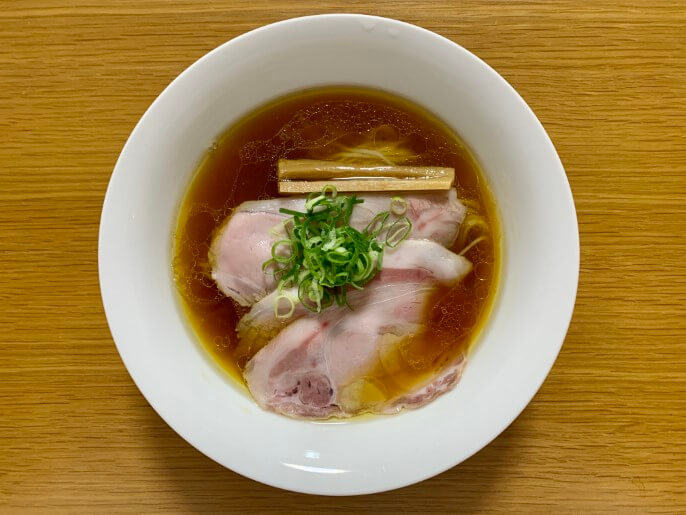
1. Shoyu Ramen ─ Start here, the fundamental bowl
The classic style combining clear chicken stock or seafood dashi with sharp soy sauce tare.
- Broth: Ranges from light to rich, but always finishes sharp
- Noodles: Medium-thin straight noodles are standard
- Classic Toppings: Chashu, seasoned egg, grilled seaweed, narutomaki, julienned bamboo shoots.
- Representative Shops: Ginza "Hakugo" / Shinjuku "Ramen Hayashida"
- Perfect For: Japanese dashi lovers who want a never-boring bowl
2. Shio Ramen ─ Crystal-clear golden broth
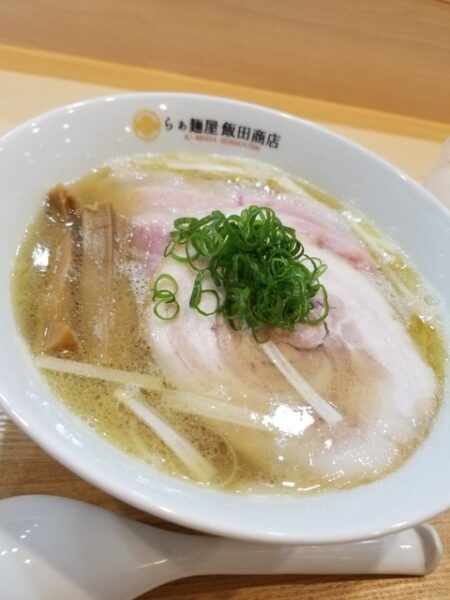
Considered the oldest ramen style with transparent broth. Salt tare enhances the natural sweetness of ingredients.
- Broth: Clear broth layering chicken, kombu, and shellfish
- Noodles: High-water content medium-thin noodles for smooth texture
- Classic Toppings: Yuzu peel, green onions, wonton
- Perfect For: Light eaters, gentle enough for hangovers
3. Miso Ramen ─ Hokkaido's Rich Creation
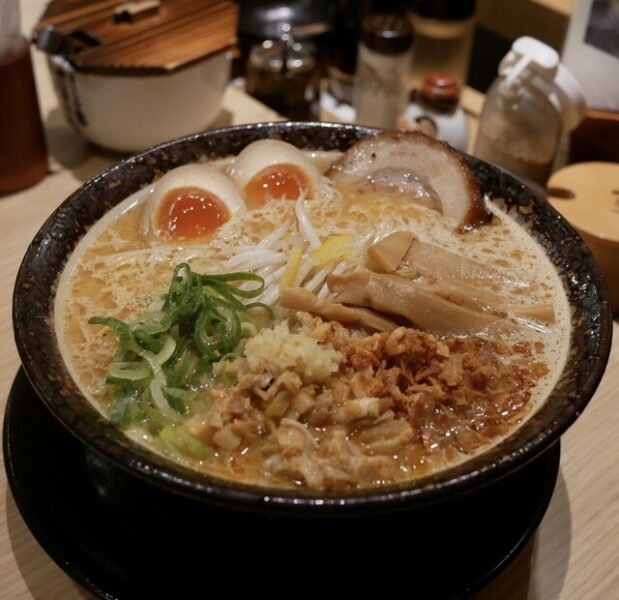
Deep, rich bowl using red, white, or blended miso, with lard-fried vegetables.
- Broth: Vegetable and miso sweetness + garlic punch
- Noodles: Wavy medium-thick noodles that grab the soup
- Classic Toppings: Butter, corn, mountain of bean sprouts
- Representative Shops: Sapporo "Sumire" / Ikebukuro "Menya Hanada"
- Perfect For: Cold days when you want rich flavor and serious sweating
4. Tonkotsu Ramen ─ Hakata's Milky White Soup
Creamy pork bone soup simmered until bone marrow dissolves is the star.
- Broth: Smooth emulsion + bone umami, sometimes intensely meaty
- Noodles: Ultra-thin straight, with kaedama (refill) culture
- Classic Toppings: Wood ear mushrooms, pickled ginger, spicy pickled mustard greens
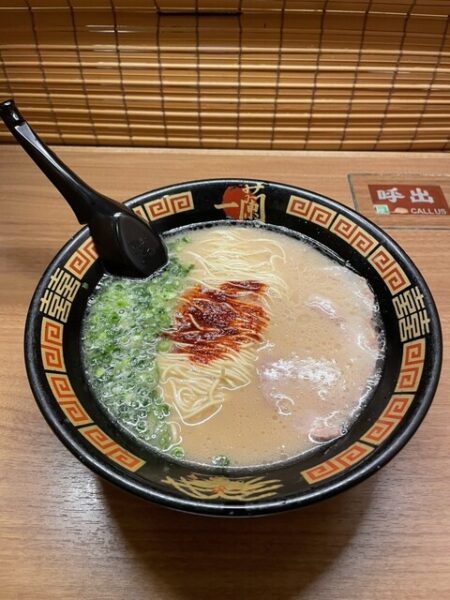
- Representative Shops: Ichiran (nationwide) / Hakata "Ganso Nagahamaya"
- Perfect For: Quick eaters, late-night guilt-free indulgence
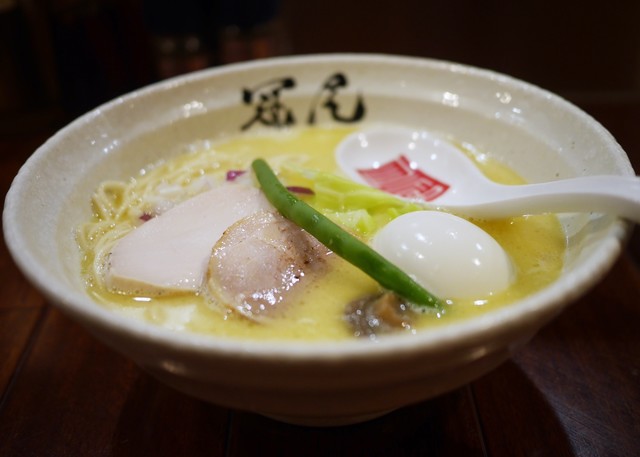
5. Tori Paitan ─ Creamy Chicken Richness
Creamy chicken richness as an alternative to pork bone
- Broth: Chicken sweetness + collagen silkiness
- Noodles: Medium to thin straight noodles
- Classic Toppings: Low-temperature cooked chicken chashu, daikon sprouts
- Perfect For: Those who dislike pork smell but want rich creaminess
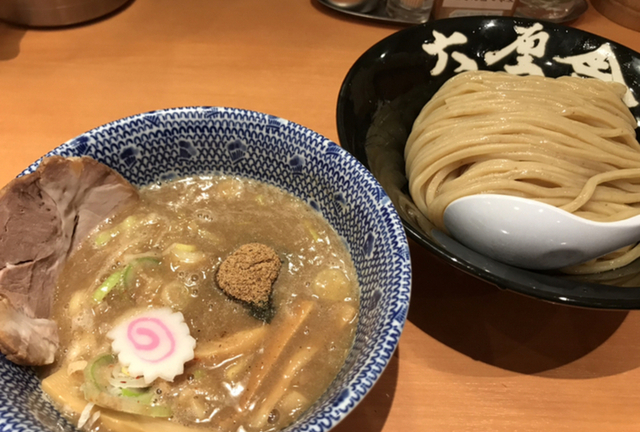
6. Tsukemen ─ "Dip-Style" New Standard
Separate noodles and soup, dipping noodles into hot concentrated broth.
- Broth: Concentrated seafood-pork or chicken paitan, with dilution soup for finishing
- Noodles: Thick to ultra-thick, chilled and firm
- Classic Toppings: Thick chashu, seasoned egg, seaweed
- Representative Shops: Shinjuku "Fuunji" / Taishoken chain stores
- Perfect For: Hearty appetite, preferring hot soup till the end
7. Abura Soba/Maze Soba ─ Soup-less Revolution
Mix bottom-of-bowl sauce and oil with noodles—"brothless" style with infinite flavor variations.
- Sauce: Soy + chili oil + vinegar + pork fat, unique to each shop
- Noodles: Thick noodles, emphasis on chewy texture
- Classic Toppings: Egg yolk, chopped seaweed, diced onions
- Perfect For: Zero guilt about finishing soup, massive fullness desired

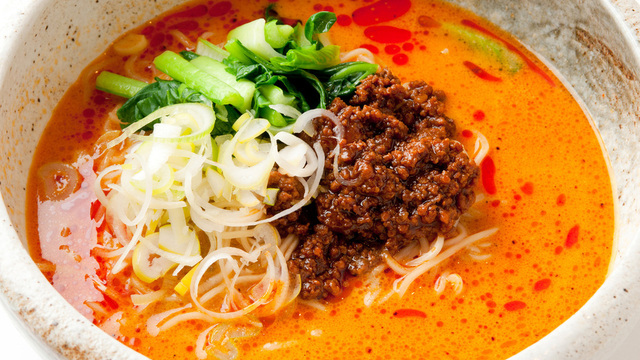
8. Tantanmen ─ Sesame×Chili×Sichuan Pepper Trinity
Sichuan origin evolved uniquely in Japan, white sesame paste creaminess meets numbing spice.
- Broth: Sesame paste + chicken, balance of heat and ma la (numbing)
- Noodles: Medium-thin to medium-thick straight
- Classic Toppings: Spicy ground meat, bok choy, nuts
- Perfect For: Spice lovers + sesame fanatics, detox sweating sessions
9. Jiro-kei ─ Guilty Volume Monster
Ultra-thick noodles, thick pork, massive vegetables, garlic fat explosion.
- Broth: Pork bone soy + massive back fat
- Noodles: Ultra-thick aggressive noodles
- Call System: Order "Garlic, Extra Fat, Extra Sauce" as desired
- Representative Shops: Mita "Ramen Jiro Honten" / Numerous inspired shops nationwide
- Perfect For: Volume and punch desired, tomorrow's regrets ignored

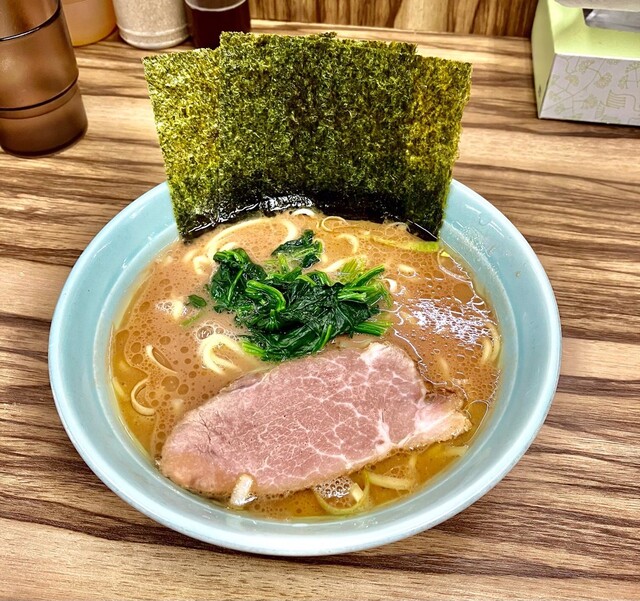
10. Iekei Ramen ─ Yokohama's Tonkotsu-Shoyu Fusion
Rich pork bone broth with floating chicken oil, balanced with soy sauce tare—"best of both worlds" style.
- Broth: Pork bone umami + soy depth, chicken oil aroma
- Noodles: Short, thick straight noodles (Sakai Seimen standard)
- Classic Toppings: 3 seaweed sheets, spinach, chashu. Table condiments: garlic & doubanjiang
- Representative Shops: Yokohama "Yoshimuraya"
- Perfect For: Those wanting soy flavor with rich pork, hearty rice-combo diners
11. Vegan Ramen ─ Next-Gen Healthy
No animal products, yet incredibly delicious! Soy milk and kombu broth create richness.
- Broth: Vegetable stock + shiitake/dried goods for umami boost
- Noodles: Rice flour or whole wheat, increasingly gluten-free options
- Classic Toppings: Colorful vegetables, fried tofu, nuts
- Representative Shops: Tokyo Station "Soranoiro Vegan" / Harajuku "AFURI Kama"
- Perfect For: Avoiding animal products, seeking light bowls

-
-
Top 10 Ramen Shops in Tokyo That Foreigners Love
2026/9/8 ramen
Quick answer: If you only eat one bowl, Ichiran is the easiest first-timer choice: solo booths, an English order sheet, no conversation required. If you would rather queue and point, the smaller shops on this list are the ones where the queue is locals rather than tourists. Ten shops is nine too many for one trip. Pick by how much nerve you have, not by the ranking. "Where should I go for ramen?" "I want to find the best bowl!" I often hear these questions from foreign travelers who want to experience authentic Tokyo ramen during their short stay. With ...
1-Minute Personalized Ramen Diagnosis
Step 1: Basic Taste Preference
- Light flavors → Shio/Shoyu ramen series
- Rich flavors → Tonkotsu/Miso/Tori Paitan/Iekei
- Spicy preference → Tantanmen series
Step 2: Eating Situation
- Lunch with business meetings → Shoyu, Shio
- Evening, no breath concerns → Hakata Tonkotsu, Iekei, Jiro-kei
Step 3: Health/Physical Considerations
- Gentle on stomach → Tori Ramen, Shio Ramen
- Health-conscious → Shoyu, Shio, Vegan
- Maximum volume → Jiro-kei, Abura Soba
Why This Method Works
Based on my 20+ years of serious ramen exploration across Japan's 47 prefectures, I've developed a foolproof decision-making framework that eliminates guesswork. This isn't just theoretical—I've personally tested every style in this guide, spending time in over 500 shops to understand what makes each bowl unique.
The secret lies in matching your taste preferences with scientifically-categorized ramen styles, rather than randomly ordering. This systematic approach has helped hundreds of first-time visitors confidently navigate Japan's complex ramen landscape.
FAQ: Common Questions & Solutions
Can't use the vending machine?
Press picture buttons → Check price → Get ticket. Ask staff when in doubt
What toppings to choose?
Default is fine. Top-left button usually shop's recommendation
Eating etiquette?
Slurp loudly, spoon use is acceptable
Kid-friendly options?
Avoid counter-only shops, choose table-seating restaurants
English support?
Pre-research shops with photo menus or English service
Summary & Next Steps
Choose based on three factors: taste preference + situation + health considerations = zero failures.
Your Action Plan:
- Pick one style that resonates with you
- Visit a representative shop from our list
- Try our [Top 10 Ramen Shops in Tokyo That Foreigners Love] guide for specific locations
- Master [Can't Read Japanese Menus? No Problem! The Complete Ramen Ordering Survival Guide] for advanced ordering
-
-
Top 10 Ramen Shops in Tokyo That Foreigners Love
2026/9/8 ramen
Quick answer: If you only eat one bowl, Ichiran is the easiest first-timer choice: solo booths, an English order sheet, no conversation required. If you would rather queue and point, the smaller shops on this list are the ones where the queue is locals rather than tourists. Ten shops is nine too many for one trip. Pick by how much nerve you have, not by the ranking. "Where should I go for ramen?" "I want to find the best bowl!" I often hear these questions from foreign travelers who want to experience authentic Tokyo ramen during their short stay. With ...
-
-
ramen Travel Hacks Travel Tips
Can't Read Japanese Menus? No Problem! The Complete Ramen Ordering Survival Guide
2026/9/13 ramen
Quick answer: You do not need Japanese to eat well here. Most ramen shops use a ticket machine with photos, and the ones that do not will take a pointed finger without comment. Learn three phrases, screenshot the kanji tables on this page, and you are covered. The one thing worth knowing in advance: dark buttons on the machine mean sold out, not broken. See the Shinjuku food tour on Viator → Are you standing outside a ramen shop in Japan, feeling that familiar anxiety as you stare at a menu full of characters you can't decipher? I've been there ...
No more "which one should I choose?" confusion. It's time to actually slurp your way to your perfect bowl. Your delicious journey starts now!